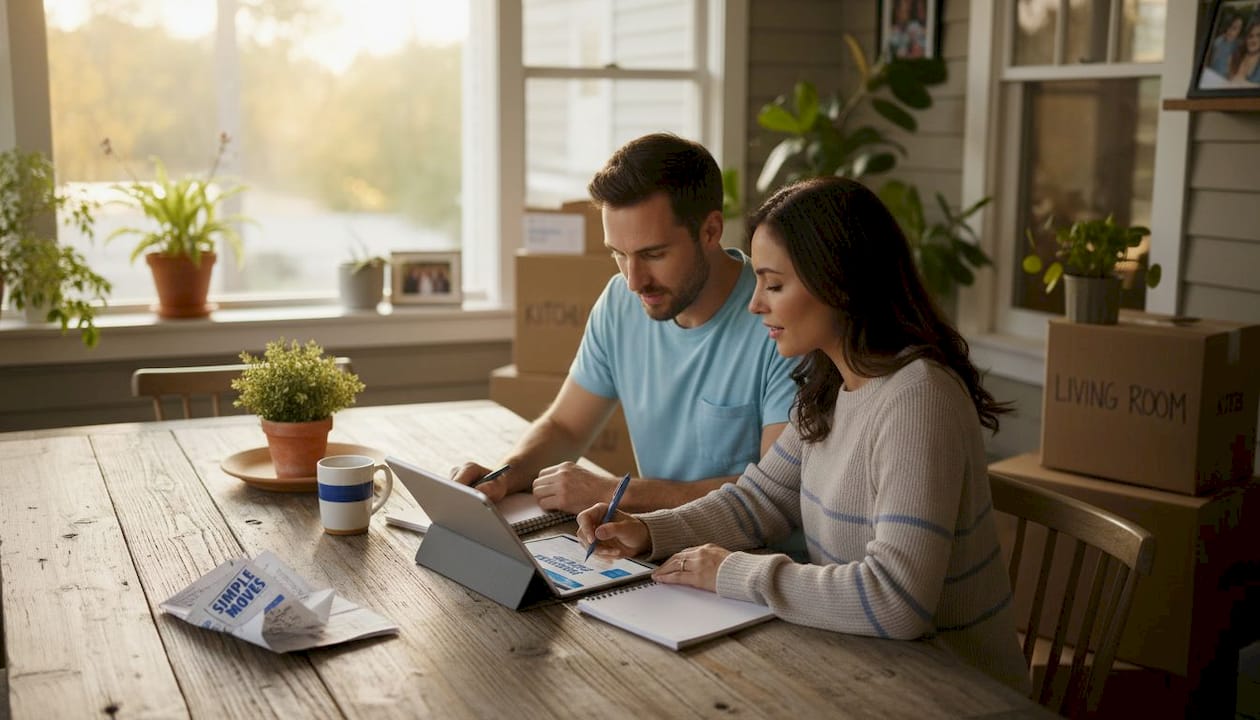
Moving into your first home is one of the most exciting milestones you will experience as an adult. It can also feel overwhelming fast. Following proven first home move best practices from the start separates a smooth, organized move from a chaotic one that costs you extra time, money, and energy. Whether you are working with a tight budget, a packed schedule, or both, the right preparation makes all the difference. This guide covers everything from planning timelines and home safety to packing strategies and address changes, so you walk through that front door feeling ready.
Table of Contents
-
1. Start your first home move best practices with a 6-8 week timeline
-
Let Simplemovesfargo handle the heavy lifting for your first home
Key takeaways
| Point | Details |
|---|---|
| Start planning 6-8 weeks early | Book movers, set your budget, and schedule utilities well before moving day. |
| Prioritize safety before unpacking | Change locks, test alarms, and locate shutoff valves before settling in. |
| Pack an essentials box | Keep critical items in your personal vehicle so you have them the moment you arrive. |
| Schedule utilities a day early | Set service start dates for the day before your move to avoid arriving without power or water. |
| Update your address promptly | Notify the DMV, banks, and USPS within 30 days to avoid fines and missed mail. |
1. Start your first home move best practices with a 6-8 week timeline
The single biggest mistake first-time buyers make is waiting too long to plan. Starting 6-8 weeks early gives you enough runway to book a reputable moving company, set a realistic budget, and handle every logistical detail without scrambling.
Your first week of planning should focus on setting a budget that accounts for more than just the moving truck. Hidden costs add up fast: packing supplies, cleaning fees, utility deposits, and tips for movers. Write all of these down before you spend a single dollar.
At the four-week mark, confirm your moving company booking, notify your current landlord if applicable, and begin collecting packing materials. Two weeks out, start packing non-essential items like seasonal clothes, books, and decorative pieces. A detailed checklist for your first home move keeps every task visible and nothing falls through the cracks.
Pro Tip: Create a shared digital checklist using a free app like Google Tasks or Notion so every member of your household can track progress and add items in real time.
2. Set a moving budget that includes the hidden costs
Most first-time movers budget for the obvious line items and forget the rest. The truck rental or moving company quote is just the starting point. Factor in packing tape, bubble wrap, packing paper, box purchases, and any specialty packing materials for fragile items.
Do not forget one-time costs at the new home. Changing locks, purchasing new smoke detectors, setting up internet service, and buying basic cleaning supplies all happen in the first week. These small purchases add up to several hundred dollars if you are not prepared.
Professional movers with flat-fee pricing remove the uncertainty of hourly billing and surprise add-on charges. When comparing quotes, ask specifically whether the flat fee covers stairs, long carries, or specialty items. Knowing the full picture upfront protects your budget.
3. Book your movers and confirm all services early
Moving companies in popular markets book out weeks in advance, especially on weekends and at the end of the month. Once you have a confirmed closing date, contact movers immediately. Waiting even a week can cost you your preferred date.
Beyond the moving company, confirm every service that needs to be active on move-in day. That means internet installation appointments, appliance deliveries, and any contractors doing work before you arrive. Each of these has its own scheduling window, and missing one can set back your entire first week.
Check out the guide to preparing your home for movers for a detailed breakdown of what to have ready before the truck arrives. The more prepared your space is, the faster and cheaper your move will go.
4. Prioritize home safety before you unpack a single box
This is the step most first-time homeowners skip entirely, and it is the one that matters most. Before you place a single piece of furniture, address the safety basics in your new home.
Change or rekey all exterior door locks the day you receive your keys. Previous owners, contractors, neighbors, and real estate agents may have copies you do not know about. A locksmith can rekey your locks in under an hour for a modest fee, and the peace of mind is worth every dollar.
Test every smoke and carbon monoxide alarm in the home. Three out of five home fire deaths occur in homes without working smoke alarms. Replace any alarm that does not respond, and note the manufacture date. Alarms older than 10 years need full replacement regardless of whether they seem functional.
Locate your water shutoff valve and electrical panel on day one. If a pipe bursts at 2 a.m., you need to know exactly where to go without searching. Walk every room and test the GFCI outlets in bathrooms and the kitchen by pressing the TEST and RESET buttons. Any outlet that fails to trip needs to be replaced before you use it.
Safety is not a weekend project. It is the foundation your entire move-in experience should be built on. Handle it first, and everything else becomes easier.
Pro Tip: Schedule an HVAC inspection within your first two weeks. A $150 professional check can catch a cracked heat exchanger before it becomes a dangerous carbon monoxide leak.
5. Use the best packing strategies for new homeowners
Packing is where most moves get disorganized. The best packing strategies for new homeowners start with decluttering. Before you pack a single box, sort every room into keep, donate, and discard piles. Moving fewer items saves time, truck space, and unpacking effort on the other end.
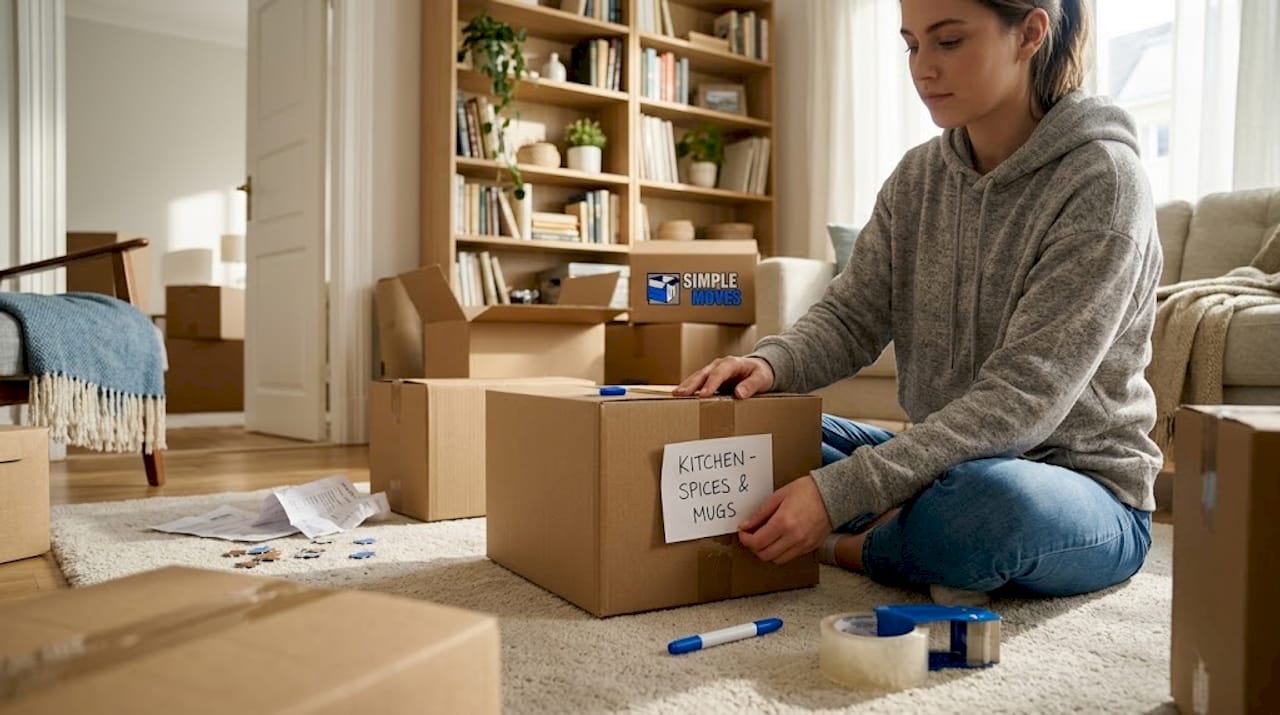
Pack room by room and label every box on the top and at least one side. Write the destination room and a brief contents description. When boxes are stacked, you can still read the side label without moving anything. Color-coded tape by room takes this one step further and speeds up unloading dramatically.
Here is a quick comparison of DIY packing versus professional packing services to help you decide what fits your situation:
| Factor | DIY packing | Professional packing |
|---|---|---|
| Cost | Lower upfront | Higher upfront, often worth it |
| Time required | High | Minimal |
| Risk of damage | Higher without experience | Lower with trained packers |
| Fragile items | Requires extra care | Handled with proper materials |
| Stress level on move day | High | Significantly reduced |
Professional packing services make the most sense for fragile items, large collections, or when your schedule simply does not allow days of packing. For everything else, the room-by-room method with clear labeling works well.
Pro Tip: Pack your heaviest items, like books and tools, in small boxes. Large boxes packed with heavy items become impossible to carry safely and increase the risk of injury and box failure.
6. Build your first-night essentials box
This is one of the most underrated tips for moving to your first home, and it consistently makes the biggest difference on moving day. Pack a single box or bag with everything you need for the first 24 hours in your new home.
Your essentials box should include toiletries, a change of clothes, phone chargers, medications, a basic tool kit, toilet paper, paper towels, a few snacks, and any important documents. Keep this box in your personal vehicle, not in the moving truck. When the truck is unloaded and you are exhausted, you will not have to dig through 40 boxes to find your toothbrush.
This practice also protects your most critical items from the rare but real possibility of a truck delay. Your medications, documents, and chargers are always with you.
7. Schedule utilities to start the day before your move
Here is a detail that catches a surprising number of first-time buyers off guard. Schedule your utility start dates for the day before your move-in date, not the move-in date itself. Arriving at your new home without power or running water is not just inconvenient. It can mean emergency connection fees and a very uncomfortable first night.
Utilities to activate before move-in day include electricity, gas, water, and internet. Internet installation appointments often require a technician visit, and those slots book quickly. Schedule that appointment as soon as you have a confirmed move date.
Take timestamped photos of all utility meters at both your old and new home on move-in day. Meter photos protect you from being billed for usage that was not yours, and they serve as clear evidence if a billing dispute comes up later.
8. Update your address with every institution that matters
Address changes are tedious, but missing one can create real problems. Start with USPS mail forwarding, which you can set up online in minutes. This catches most mail while you work through the full list.
Update your address with the DMV within 30 days of your move. In most states, failing to do so can result in fines and complications with your auto insurance. Note that your driver’s license and vehicle registration are often separate updates requiring separate forms or fees.
Work through this list systematically: your employer’s HR department, banks and credit card companies, insurance providers, the IRS, subscription services, and any medical providers. A simple spreadsheet with a “confirmed” column makes it easy to track what is done and what still needs attention.
My take on what actually matters during a first home move
I have worked with hundreds of first-time homebuyers over the years, and the ones who have the smoothest moves share one habit: they resist the urge to do everything at once.
The temptation to unpack every box, hang every picture, and set up every room in the first 48 hours is real. But that pace leads to burnout, poor decisions, and a lot of furniture placed in spots you will regret two weeks later. I have seen people buy an entire living room set before they even knew how the natural light moved through the space. Experts consistently warn against rushing furniture purchases. Living in the space first leads to smarter, more satisfying decisions.
What I have found actually matters in those first days is safety, utilities, and the essentials box. Get those three things right, and the rest of the move falls into place at a pace you can manage. Document everything with photos, especially the condition of the home before you move anything in. Those photos have saved clients from security deposit disputes and contractor billing issues more times than I can count.
Flexibility is not a weakness in a first home move. It is a strategy. Things will go differently than planned. The movers will run late, or a box will be mislabeled, or the internet technician will reschedule. The people who handle those moments well are the ones who planned enough to have margin. Build that margin in from the start.
— Christopher
Let Simple Moves in Fargo handle the heavy lifting for your first home
Moving into your first home is a big deal, and you deserve support from a team that takes it as seriously as you do. Simple Moves in Fargo serves the Fargo-Moorhead area with residential moving services built around reliability, clear pricing, and genuine care for your belongings.

Whether you need full-service packing, help with specialty items, or a straightforward distance-based moving plan for your relocation, Simple Moves in Fargo has the experience to make it work. The team also offers furniture assembly after the move, so you can settle in without the frustration of decoding instruction manuals after a long day. Request a free quote today and get a moving plan that fits your timeline, your budget, and your new home.
FAQ
How far in advance should I plan my first home move?
Start planning at least 6-8 weeks before your move date. This gives you time to book movers, set a budget, schedule utilities, and handle address changes without last-minute stress.
What should go in a first-night essentials box?
Pack toiletries, a change of clothes, phone chargers, medications, toilet paper, basic tools, and important documents. Keep the box in your personal vehicle so it is always accessible on moving day.
When should I change the locks on my new home?
Change or rekey all exterior locks the same day you receive your keys. Previous owners or contractors may have copies, and a locksmith can complete the job in under an hour.
What is the most common address change mistake after moving?
Most people forget to update the DMV separately for their driver’s license and vehicle registration. Failing to update your DMV address within 30 days can result in fines and insurance complications.
Should I hire professional packers or pack myself?
It depends on your time, budget, and the complexity of your belongings. Professional packers reduce stress and damage risk significantly, especially for fragile or specialty items, while DIY packing costs less if you have the time to do it carefully.